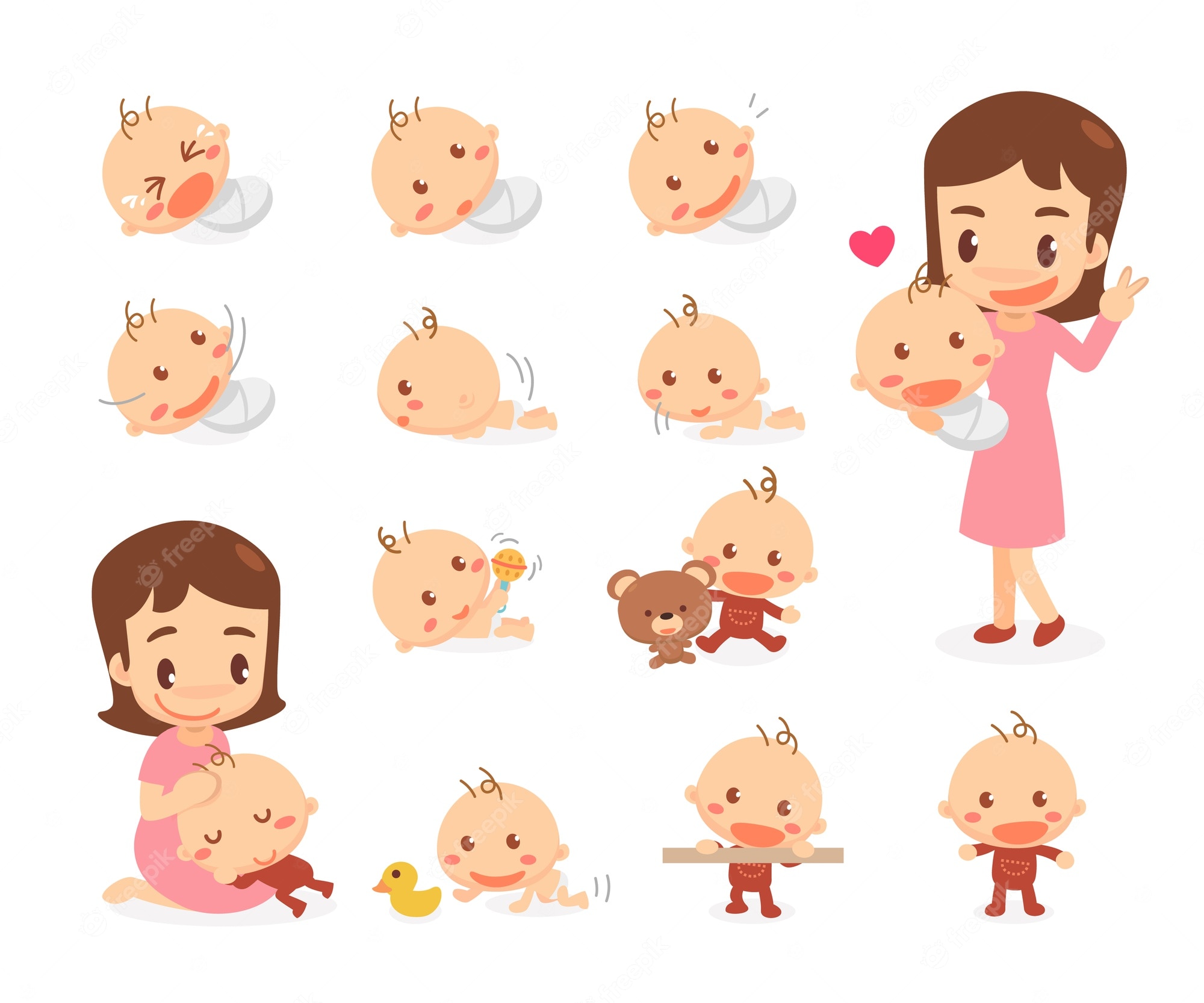
Watching a child grow from a newborn into a confident preteen is one of the most incredible journeys in life. Each stage of development brings new abilities, behaviors, and challenges. These changes happen through developmental milestones—skills most children learn within a typical age range as they grow physically, emotionally, socially, and cognitively. preschoolers-3-5-w-npa (3)
However, it’s important for parents to remember something reassuring:
Development is not a race.
Children grow in bursts, not steady lines. Some learn language early and motor skills later. Others run before they talk. Variation is normal.
This guide walks you through birth to 12 years, covering:
- Major developmental milestones
- Common growth spurts
- Parenting tips for each stage
- Common concerns (and when not to worry)
Stage 1: Newborn to 12 Months – Discovering the World
The first year of life is full of rapid physical and brain development. Babies triple their birth weight and begin learning how to communicate with the world around them.
Major Milestones
By 3 months
- Smiles socially
- Begins cooing and making sounds
- Follows objects with eyes
- Holds head up during tummy time
By 6 months
- Rolls both directions
- Recognizes familiar faces
- Laughs and babbles
- Begins sitting with support
By 9 months
- Crawling or scooting
- Responds to name
- Picks up objects with fingers
- Shows stranger anxiety
By 12 months
- May take first steps
- Says simple words like “mama” or “dada”
- Waves goodbye
- Explores objects by shaking or banging
Growth Spurts
Common growth spurts happen around:
- 2–3 weeks
- 6 weeks
- 3 months
- 6 months
- 9 months
During these periods babies may:
- Feed more often
- Sleep differently
- Become fussier than usual
These spurts are normal and temporary.
Parenting Tips
- Talk to your baby constantly — language exposure builds brain connections.
- Practice tummy time daily.
- Read books, even if they can’t understand yet.
- Establish calming bedtime routines.
Common Concerns
Normal
- Babies waking frequently at night
- Fussiness during growth spurts
- Preference for one caregiver
Talk to a pediatrician if
- Baby doesn’t respond to sounds
- No smiling by 3 months
- No attempts to move by 9 months
Stage 2: Toddlers (1–3 Years) – The Independence Explosion
Toddlers are discovering movement, speech, and independence. This stage often includes the famous “terrible twos”, but it’s really a time of learning boundaries.
Major Milestones
12–18 months
- Walking independently
- Saying several words
- Following simple instructions
- Pointing to objects
18–24 months
- Vocabulary rapidly expanding
- Beginning pretend play
- Running and climbing
- Showing strong preferences
2–3 years
- Speaking short sentences
- Sorting objects by shape or color
- Jumping with both feet
- Beginning toilet training
Growth Spurts
Physical growth slows compared to infancy but brain development accelerates.
You may notice sudden bursts in:
- Vocabulary (often called a language explosion)
- Problem-solving skills
- Independence
Parenting Tips
- Offer choices instead of commands
- Encourage exploration safely
- Use simple explanations when setting limits
- Read daily to build language skills
Common Concerns
Normal
- Tantrums
- Saying “no” constantly
- Separation anxiety
Talk to a doctor if
- No words by 18 months
- No eye contact
- Difficulty walking by 18 months
Stage 3: Preschool (3–5 Years) – Imagination & Social Skills
Preschoolers become increasingly independent and curious about the world around them. They begin forming friendships, developing empathy, and expanding their language dramatically.
At this stage, children start to play cooperatively, ask many questions, and explore their surroundings. preschoolers-3-5-w-npa (3)
Major Milestones
Age 3
- Speaks in sentences
- Plays make-believe
- Climbs and runs easily
- Understands simple instructions
Age 4
- Tells stories
- Hops on one foot
- Names colors
- Plays with other children
Age 5
- Counts to 10 or more
- Follows multi-step instructions
- Draws simple shapes
- Understands basic time concepts
Many children can also ride a tricycle, use safety scissors, and recall parts of stories during this stage. preschoolers-3-5-w-npa (3)
Growth Spurts
Around ages 4–5, children may experience:
- Increased appetite
- Growing pains in legs
- Sudden height increases
Parenting Tips
- Encourage creative play
- Let children help with simple chores
- Speak in full sentences to develop language
- Offer limited choices to build decision-making skills preschoolers-3-5-w-npa (3)
Common Concerns
Normal
- Imaginary friends
- Fear of monsters or the dark
- Occasional emotional outbursts
Consult a professional if
- Speech is difficult to understand
- Child avoids social interaction
- Frequent aggressive behavior
Stage 4: Early School Age (6–8 Years) – Skills & Confidence
Once children enter school, development becomes more structured. They begin learning academic skills, teamwork, and emotional regulation.
Major Milestones
- Reading simple books
- Understanding rules and fairness
- Improved coordination
- Strong friendships forming
- Basic math skills
Growth Spurts
Growth becomes steadier, with children gaining 5–7 cm of height per year on average.
Parenting Tips
- Encourage curiosity and questions
- Support homework routines
- Foster resilience when mistakes happen
- Limit screen time and encourage outdoor play
Common Concerns
Normal
- Comparing themselves to classmates
- Frustration with difficult tasks
- Mood swings after school
Seek advice if
- Persistent learning difficulties
- Extreme anxiety about school
- Social isolation
Stage 5: Preteens (9–12 Years) – Preparing for Adolescence
This stage bridges childhood and the teenage years. Children begin developing independence, identity, and deeper thinking skills.
Major Milestones
- More advanced reasoning
- Stronger peer relationships
- Increased responsibility
- Beginning stages of puberty for some children
Growth Spurts
Around ages 10–12, many children experience:
- Rapid height increases
- Body changes linked to puberty
- Increased appetite
- Emotional sensitivity
Girls often begin puberty earlier than boys.
Parenting Tips
- Keep communication open and judgment-free
- Teach responsibility and decision-making
- Encourage hobbies and personal interests
- Discuss body changes before puberty begins
Common Concerns
Normal
- Moodiness
- Privacy needs
- Strong opinions
Consider professional advice if
- Severe anxiety or depression
- Bullying problems
- Sudden behavior changes
When Parents Should Not Worry
One of the biggest sources of stress for parents is comparing children to others.
Remember:
✔ Children reach milestones at different times
✔ Temporary regressions can happen during growth spurts
✔ Personality differences affect behavior and learning
Development is influenced by:
- genetics
- environment
- sleep
- nutrition
- emotional security
When to Seek Professional Advice
Early support can make a huge difference. Consider speaking to a pediatrician if a child shows:
- Loss of previously learned skills
- No speech by age 2
- Lack of social interaction
- Severe coordination difficulties
Final Thoughts
From a baby’s first smile to a preteen’s growing independence, childhood is full of incredible transformations. Each stage builds the foundation for the next.
The most powerful influences on a child’s development are surprisingly simple:
love, attention, conversation, and play.
Milestones are helpful guides—but the most important thing is supporting your child’s unique journey of growth.
&media=https://quicksearch.co.za/wp-content/uploads/2026/03/mom-baby-baby-development-stages-milestones_7891-341.jpg)