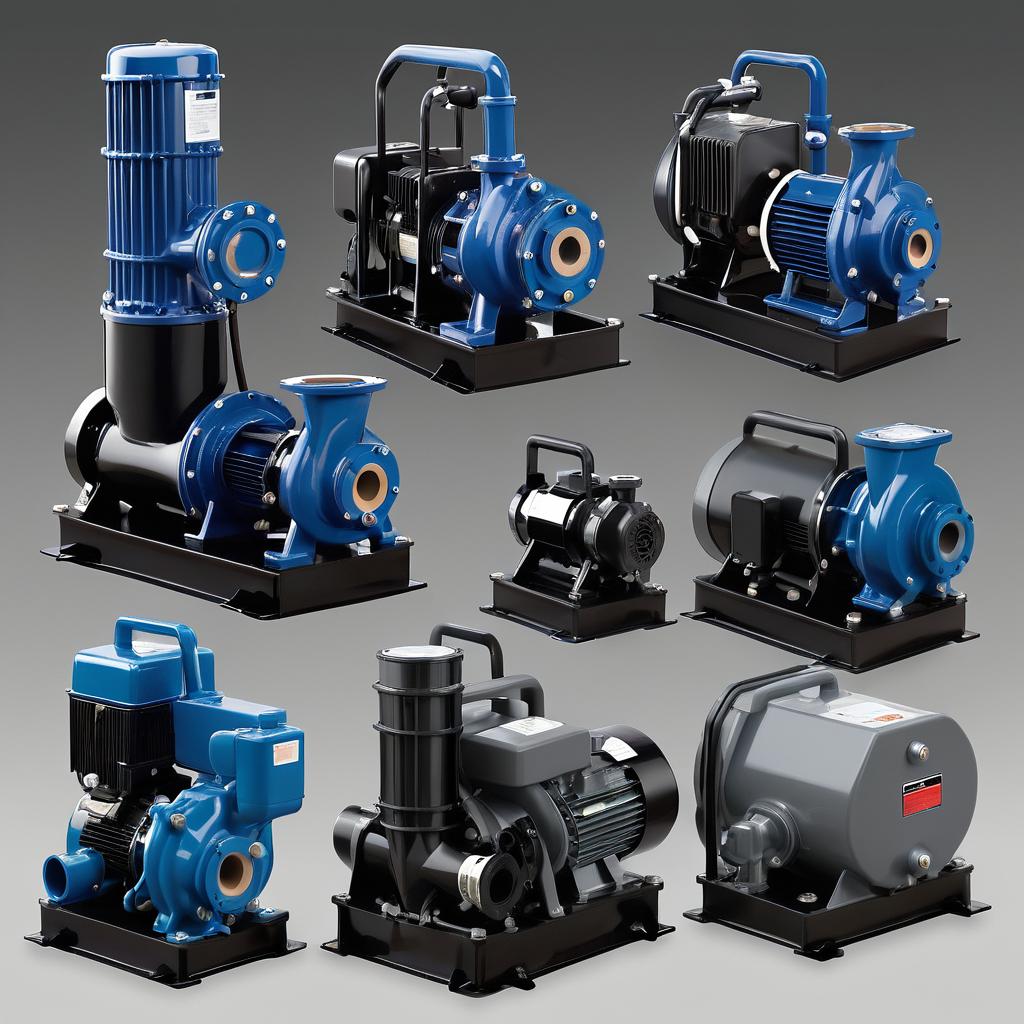
Water pumps are the heart of any water system – from household supply to irrigation, boreholes, and swimming pools. Choosing the right pump can save you money, improve performance, and protect your plumbing. In this guide, we’ll explore the major types of water pumps and give you clear criteria to decide which is right for your situation.
1. What Is a Water Pump?
A water pump is a machine that moves water from one place to another by creating pressure. They can be electric, petrol/diesel driven, or even solar-powered. Pump selection depends on:
- Source of water (tank, borehole, dam, pool)
- Required flow rate (liters/minute or m³/hour)
- Pressure needs (for house fixtures or irrigation)
- Installation location
- Budget & maintenance expectations
2. Major Types of Water Pumps
We’ll cover the most common types and when each makes sense:
2.1 Centrifugal Pumps

4
How It Works:
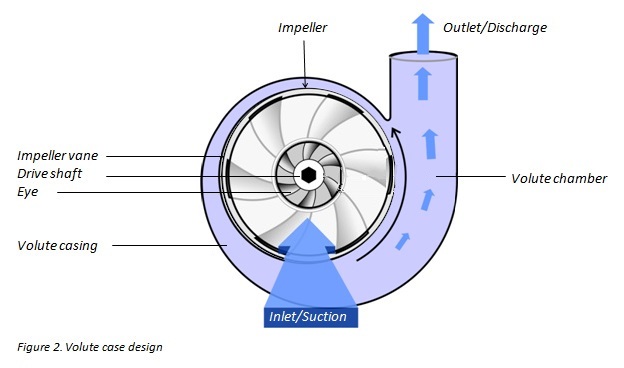
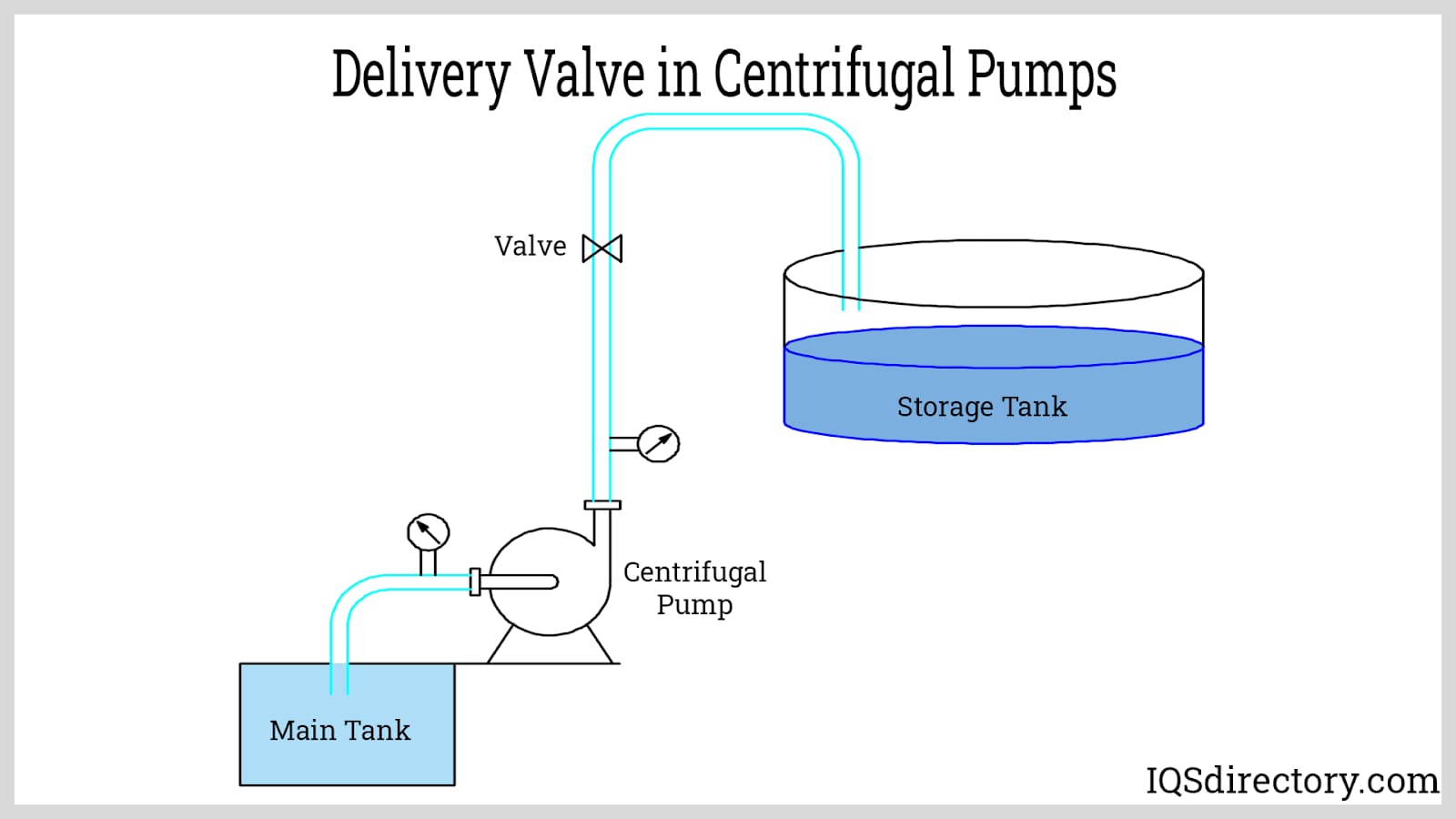
A centrifugal pump uses an impeller to create a high‑speed centrifugal force that pushes water outward and increases pressure.
Best For:
- Home water supply
- Irrigation systems
- Transferring water between tanks
Pros:
- Simple & robust
- Cost‑effective
- Quiet operation
Cons:
- Not self‑priming (unless specifically designed as such)
- Performance drops if running dry
When to Choose:
If you need a reliable pump for general household or garden use with moderate flow and pressure.
2.2 Self‑Priming Jet Pumps
4
How It Works:
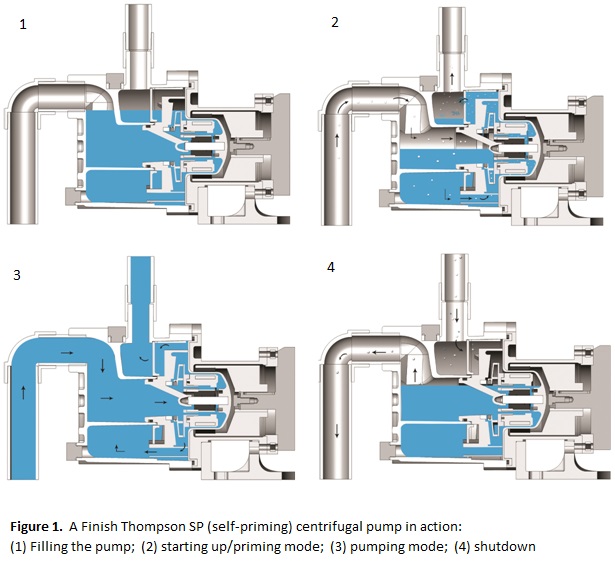
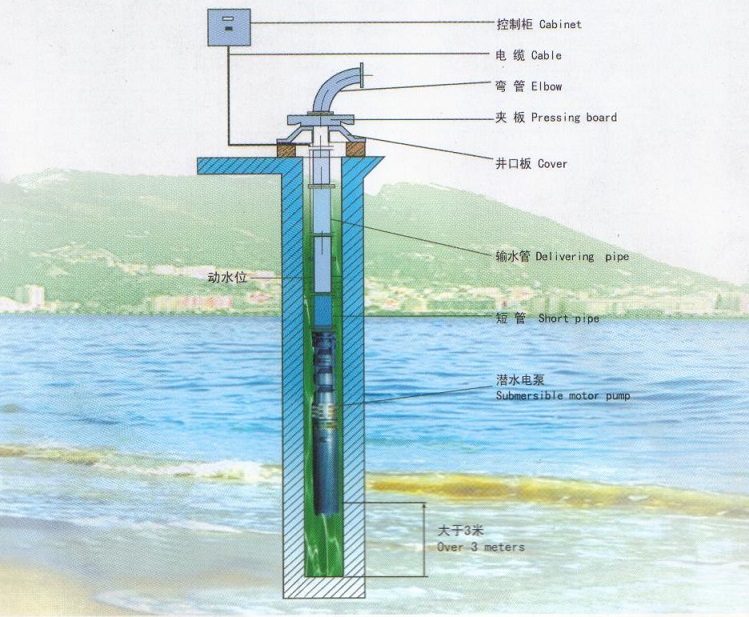
Jet pumps have a built‑in nozzle and venturi that “primes” the pump – meaning it can start lifting water without manual priming.
Best For:
- Shallow wells and boreholes
- Sucking water up from a tank or reservoir
Pros:
- Prime themselves
- Good suction lift (up to ~7‑8 meters from surface)
Cons:
- Less efficient at deep boreholes
- Requires foot valves/check valves
When to Choose:
Perfect for home water systems drawing from tanks or shallow wells without frequent maintenance.
2.3 Booster Pumps


4
How It Works:
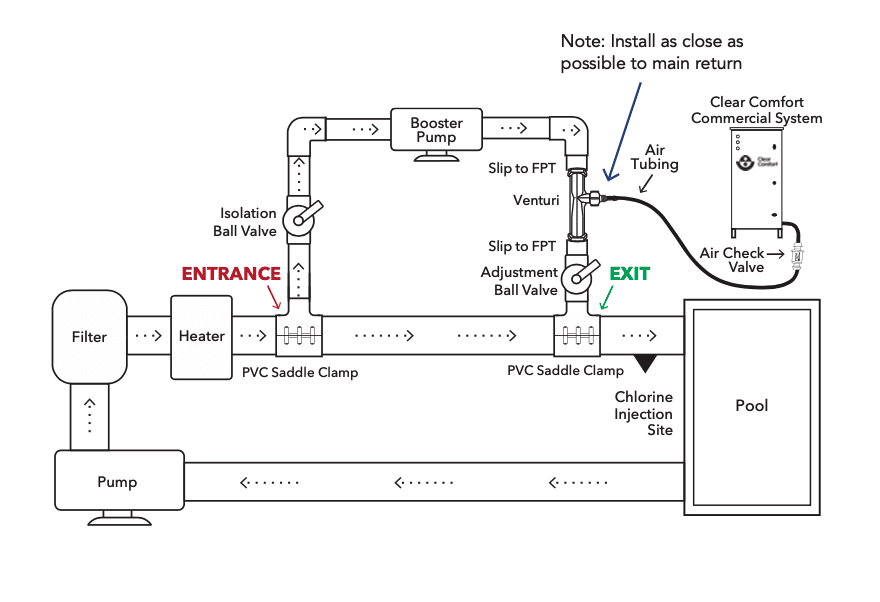
Booster pumps don’t “pull” water from a source; they increase pressure within an existing supply.
Best For:
- Low water pressure in houses
- Multi‑storey buildings
- Garden irrigation needing stronger output
Pros:
- Improves pressure without changing source
- Often paired with pressure tanks/controls
Cons:
- Needs an existing supply
- Can cycle often without a pressure tank
When to Choose:
If your supply has enough volume but poor pressure – especially common in municipal or tank feed systems.
2.4 Borehole Pumps (Submersible)


4
How It Works:
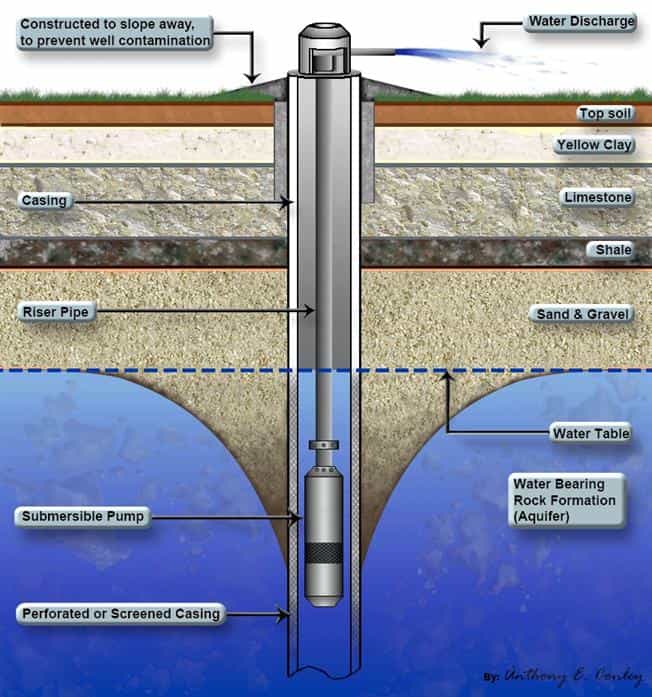
Installed inside the borehole and submerged in water. Motors are sealed for underwater operation.
Best For:
- Deep boreholes (20m+)
- Large volume extraction
Pros:
- Efficient at depth
- Quiet (no above‑ground noise)
- Less chance of running dry
Cons:
- Requires professional installation
- Higher upfront cost
When to Choose:
If you rely on groundwater from deeper aquifers or need a robust, long‑term solution.
2.5 Pool Pumps
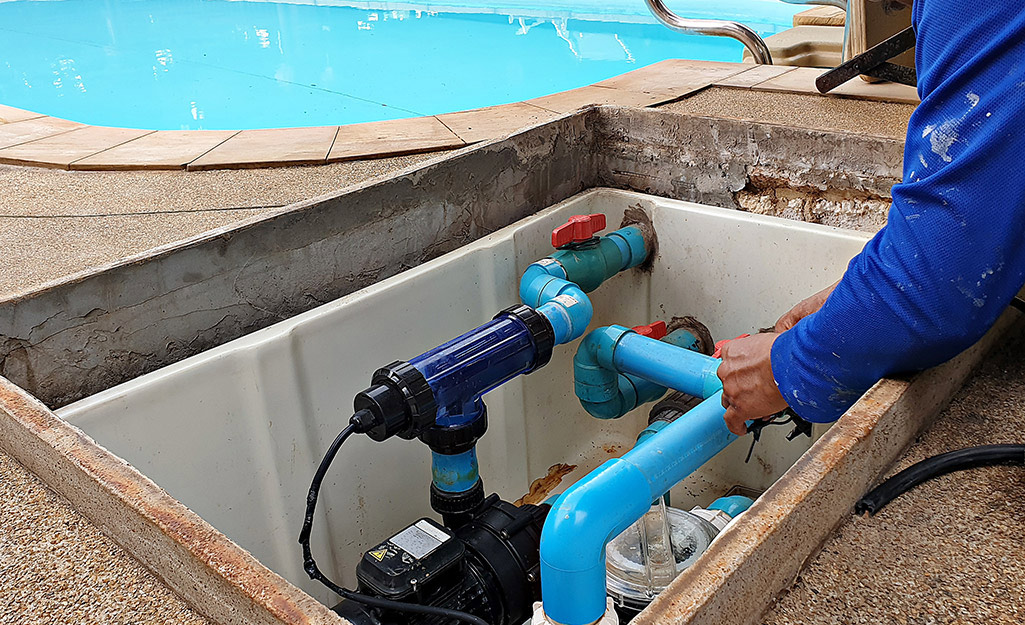
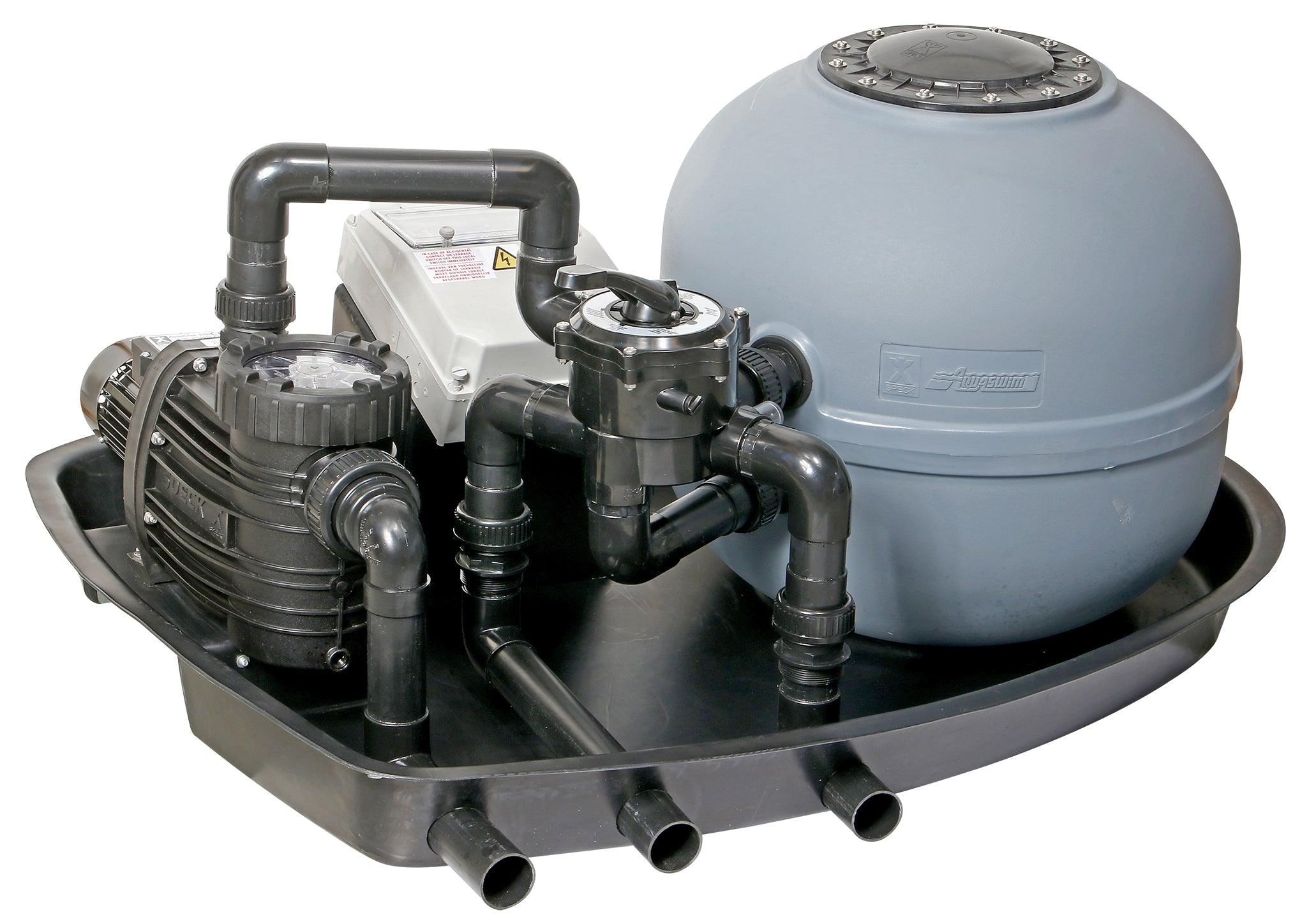
4
How It Works:
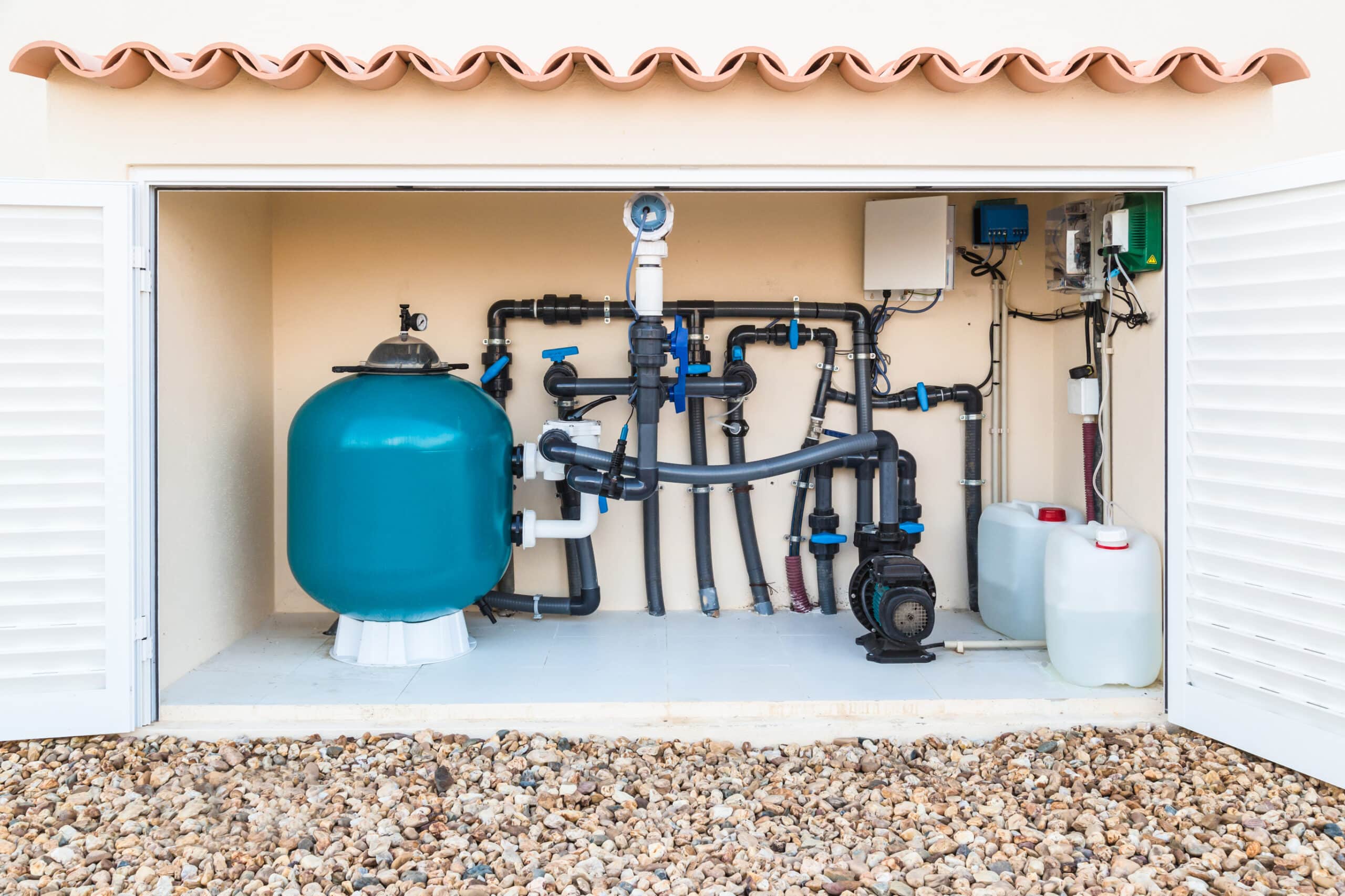
Specialized centrifugal pumps designed to circulate water through filters, heaters, chlorinators.
Best For:
- Swimming pools
- Spas and water features
Pros:
- Optimized for filtration cycles
- Can be variable speed for efficiency
Cons:
- Not suitable for general water supply
When to Choose:
If the goal is pool hygiene and circulation – these are engineered specifically for that purpose.
3. Other Pump Categories Worth Knowing
3.1 Diaphragm Pumps
Great for dirty water with debris. Often used in agriculture and construction.
3.2 Positive Displacement Pumps
Ideal for high‑viscosity fluids. Not usually used for clean water supply.
3.3 Solar‑Powered Pumps
Great for off‑grid systems or sustainability‑focused installations.
4. How to Choose the Right Pump
Here’s a systematic way to decide:
4.1 Step 1 – Define Your Water Source
- Municipal supply: Booster or centrifugal
- Tank/roof catchment: Self‑priming or centrifugal
- Borehole: Submersible or jet (shallow)
- Pool: Pool pump only
4.2 Step 2 – Know Your Required Flow
Measure:
- Home use: ~10–20 L/min typical
- Garden irrigation: 10–40 L/min
- Borehole extraction: 500–2000+ L/hr depending on demand
Tip: Turn your fixtures on and measure how long it takes to fill a bucket.
4.3 Step 3 – Pressure Matters
- Low pressure: houses, gardens
- High pressure: showers, irrigation sprinklers
Match pump specs to desired pressure (often given as head in meters or kPa).
4.4 Step 4 – Electrical & Installation Needs
- Do you have 220–240V supply?
- Need three‑phase?
- Want solar integration?
Consider long‑term operating costs and wiring.
4.5 Step 5 – Environment & Maintenance
- Dirty water? Choose robust pumps & filters.
- Hard water? Wear on impellers and seals.
- Access for servicing?
5. Cost vs Performance
| Pump Type | Upfront Cost | Efficiency | Maintenance | Best For |
|---|---|---|---|---|
| Centrifugal | Low | Moderate | Low | General use |
| Self‑Priming | Mid | Moderate | Medium | Shallow wells/tanks |
| Booster | Low | High | Low | Pressure issues |
| Borehole | High | High | Medium | Deep water |
| Pool | Varies | High | Medium | Swimming pools |
Conclusion
Choosing the right water pump isn’t guesswork – it’s about understanding source, flow, pressure, and application. Whether you’re pulling water from a borehole, boosting pressure in a house, or keeping your pool sparkling, the perfect pump can transform performance and efficiency.
If you’d like a downloadable decision chart or a personalized pump recommendation tool for your website, just ask!
